

Digital transformation consulting
Business digitalization: from need to project
We turn a need or an idea into a defined project: what to integrate, what to customize, and what to develop as custom software, with the scope and cost of each phase.
Digitalizing a company does not mean buying software
The goal is for information to move from one area to another without being typed in again
Repetitive tasks should be automated so that each person has the data they need. Sometimes this is achieved by integrating the software already in use; other times, by customizing a platform or developing a custom tool.
This service is the step before development: turning a need, or an idea that is still taking shape, into a defined project, with the scope, the technical solution, and the cost clear before starting.
We do not sell office software licenses or hardware, nor do we take a commission from any vendor: our work is to integrate, customize, and develop.
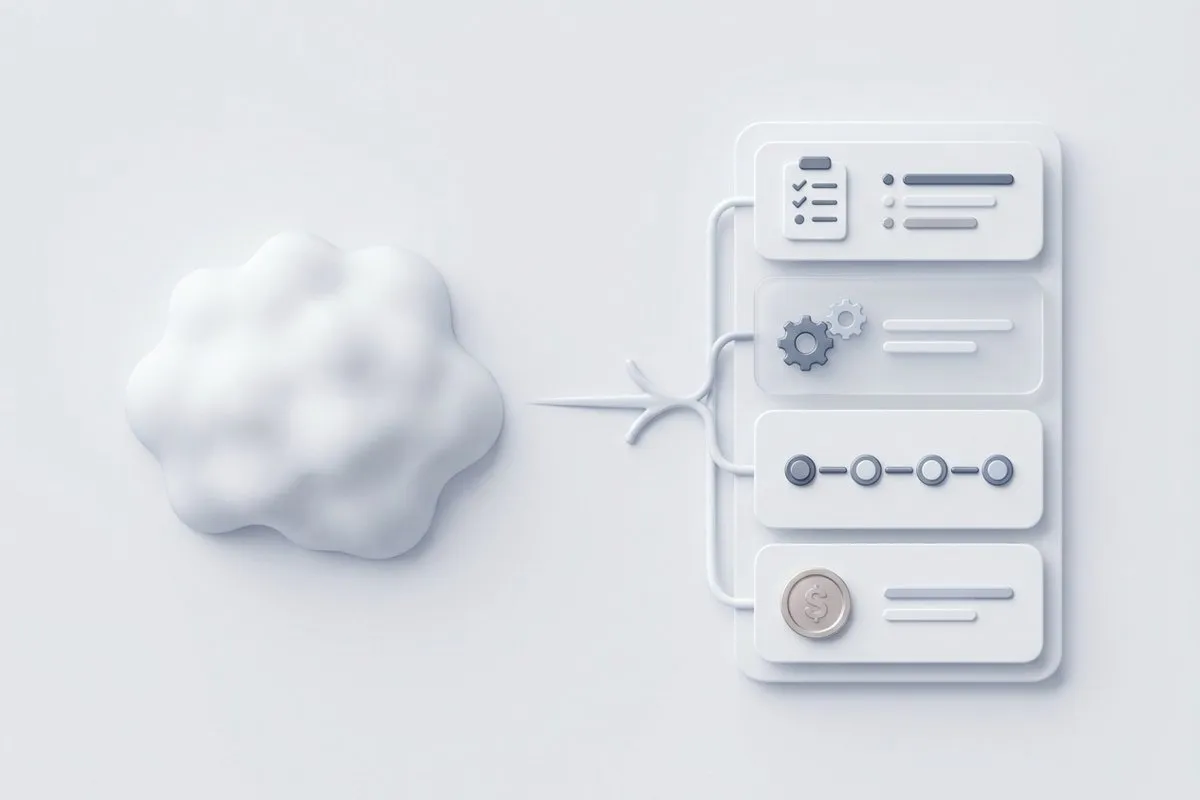
Integrate, customize, or develop custom software
Each need is met in one of these ways, or by combining several.
Integrate the current software
When the programs work but do not communicate: the ERP, the CRM, the online store, and the accounting software share data, and each piece of data is entered only once. This is the work of system integration.
Customize a platform
When a platform covers most of the need and the rest is adapted: a CRM, a PIM with Pimcore, business intelligence dashboards, or an online store with WooCommerce or PrestaShop.
Develop custom software
When no platform fits the way the company works, or when the tool is the core of the business: web applications and apps developed for the company and integrated with the rest of its software.
Automate and apply artificial intelligence
Repetitive tasks between programs are automated, with custom development or with tools such as n8n. Where something has to be read, classified, or decided, artificial intelligence is added.
The choice between the options is made with criteria written down before prices are discussed: compatibility with the current software, maintenance cost over three years, and what happens to the data if the solution is changed one day. Improving the configuration of the current software is always one of the options.
What is analyzed to define the project
Working sessions with the company's teams, not a questionnaire by email.
The starting need or idea
What is to be achieved, who will use it, and how to tell whether it works. An idea without these three answers is not yet a project.
Current software and processes
Which programs each area uses, how people work with them, and what each one allows. Also the spreadsheets that support critical processes without appearing in any inventory.
Manual tasks
The steps where data is copied from one program to another, checked, rewritten, or printed out to be typed in again. This is the time that is easiest to recover.
Where information gets lost
The handoffs between areas and between programs: from sales to production, or from the workshop to administration. This is where data gets retyped, duplicated, or lost.
Data quality
Whether the information is organized enough to build on. If it is not, the first step is data governance.
People and tool adoption
Who uses each tool, who resists using it, and why. Resistance is rarely arbitrary: it often points to something the tool does worse than the previous method.
Each area of the company is at a different stage of digitalization
Administration, usually the most digitalized
Accounting, invoicing, and payroll have run on specialized software for decades. The room for improvement lies in connecting those programs, not in replacing them.
Operations, usually the least digitalized
Production, the workshop, the warehouse, or customer-facing service are the areas where most processes are still on paper or in spreadsheets, and where the most time can be recovered.
The bridge area, the best starting point
The one that receives information from all the others and has to piece it back together by hand. If there is one, it is the best starting point: improving it has an effect on the whole chain.
A phased plan, area by area
Requiring the same level from every area at once overwhelms some and falls short in others. The plan goes in phases, and each area joins the phase that suits it.
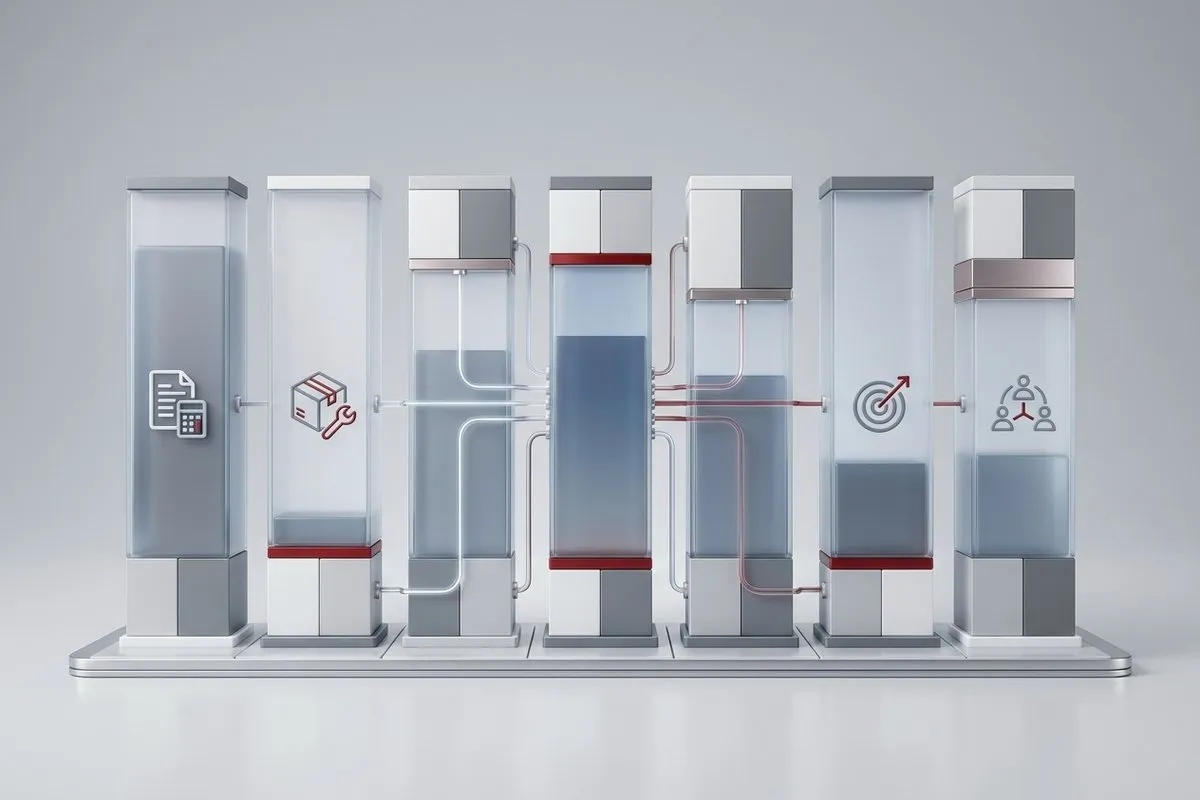
What is delivered when defining a digitalization project
Functional definition
What the solution does, who uses it, and with which workflows. When it helps the decision, with a mockup of the main screens.
Integration map
Which programs are connected, what data passes from one to another, and in which direction.
Solution and cost of each part
What is integrated, what is customized, and what is custom-developed, with the development and maintenance cost of each part.
Phased plan
What goes into the first phase and what is left for the following ones. If the project is large, it is planned as phased development, with a fixed price for each phase.
Discarded or postponed actions
Which ideas are best discarded, which postponed, and which areas are better left unchanged this year. If the analysis points to an artificial intelligence project, this is also stated.
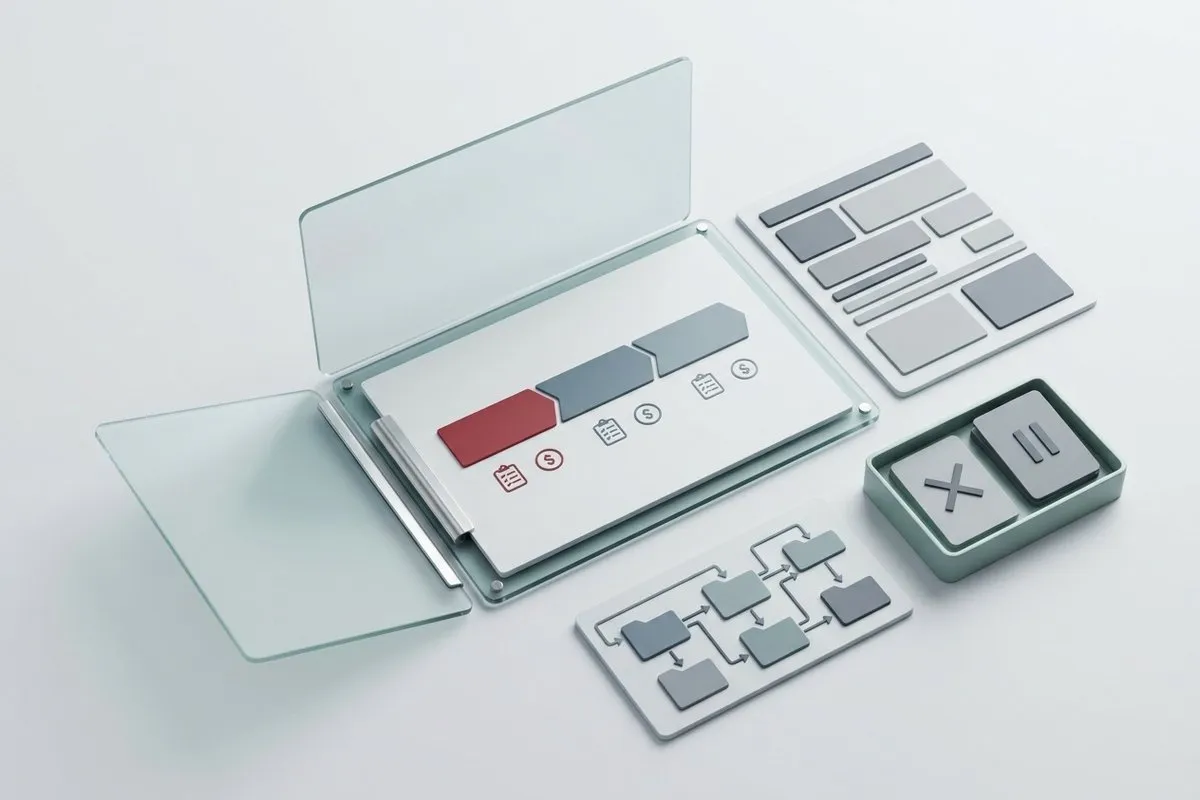
From the first conversation to the defined project, in four steps
A first conversation
What needs to be solved or what idea is behind it, and what has already been tried. This conversation shows whether a full analysis is needed or whether the project is already clear enough to be quoted.
Sessions with each area
With the people who do the work. This shows what really happens, which does not always match the written procedure.
Project definition
The solution for each need, the integration map, and the phased plan with its cost. It is presented to and discussed with the company: a plan that has not been discussed is unlikely to be carried out.
Development, optional
The project can be developed with us, with the in-house team, or with another provider. A plan that only works if we develop it is poorly conceived.
Frequently asked questions about business digitalization
Is digitalization for large or small companies?
How long does it take to define a digitalization project?
How much does it cost to define a digitalization project?
Do you sell software licenses or hardware?
What if I already have a clear idea?
Can the defined project be used to apply for a grant?
What need or idea do you want to turn into a project?
A first conversation, which is free, is enough to know whether a full analysis is needed or whether the project can already be defined and quoted.